The criminal justice system can feel overwhelming, especially for individuals and families experiencing an arrest for the first time. One of the most confusing elements of this system is the bail bond process. Understanding how it works can ease stress, promote better decision-making, and help you or a loved one secure release from jail as quickly as possible. This article breaks down each step of the process, explains important terminology, and highlights the role of a bail bond agency in navigating the system.
What Is Bail?
Bail is a financial guarantee that allows a defendant to be released from custody while awaiting trial. Instead of remaining in jail, the defendant pays a set amount of money to the court to ensure they will appear at all scheduled hearings.
If the defendant attends all required court dates, the bail money is returned at the end of the case, regardless of the verdict. If they fail to appear, the court keeps the money and may issue a warrant for their arrest.
Courts determine bail amounts using several factors:
-
Severity of the charges
-
Criminal history
-
Flight risk
-
Community ties
-
Public safety concerns
Judges often follow a standard bail schedule, but they also have discretion to raise or lower the amount based on individual circumstances.
What Happens After an Arrest?
Once someone is arrested, they are taken to jail for booking. This includes fingerprinting, photographs, background checks, and entry into the local system. Depending on the jurisdiction, this step can take anywhere from one hour to several hours. After booking, the individual either receives a preset bail amount (for minor offenses) or waits for a bail hearing before a judge.
During the hearing, the judge either sets bail, denies bail, or releases the defendant on their own recognizance (meaning no payment is required, just a promise to appear in court).
How Bail Bonds Work
For many people, paying the full bail amount upfront is not financially possible. Bail can range from a few hundred dollars to tens of thousands, and sometimes even more. That’s where a bail bond agency becomes an essential resource.
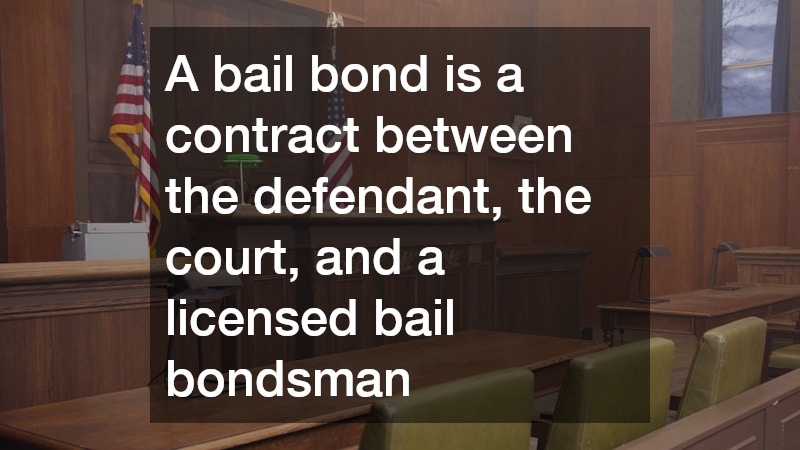
A bail bond is a contract between the defendant, the court, and a licensed bail bondsman. The bondsman agrees to pay the full bail amount if the defendant fails to appear in court. In exchange, the defendant (or their family) pays the bondsman a non-refundable fee—typically around 10% of the total bail. This fee covers the service and risk the bondsman takes on.
For example, if bail is set at $20,000, the defendant may pay a bail bond agency $2,000 to secure their release. The agency then issues a bond to the court guaranteeing the full amount should the defendant violate the terms of release.
Eligibility Requirements
Before issuing a bond, the agency may require collateral. Collateral ensures the bondsman can recover losses if the defendant fails to appear. Common forms of collateral include:
-
Vehicles
-
Jewelry
-
Real estate
-
Financial assets
In some cases, a co-signer must also agree to take responsibility should the defendant skip court. This added guarantee helps the bondsman assess whether the defendant is likely to comply with court obligations.
Responsibilities After Release
Securing release through a bail bond does not mean the defendant’s obligations are complete. They must follow all court orders, attend every hearing, and comply with conditions such as:
-
Maintaining employment
-
Avoiding new criminal charges
-
Checking in regularly with the bondsman
-
Not leaving the jurisdiction without permission
If the defendant fails to follow these rules, the court may revoke bail. The bail bond agency may also take steps to protect their financial risk, including hiring a recovery agent (commonly referred to as a bounty hunter) to locate the defendant and return them to custody.
What Happens If the Defendant Misses Court?
Failing to appear in court is serious. The judge may issue a bench warrant, and the court typically demands immediate payment of the full bail amount. The bondsman becomes financially responsible, prompting them to act quickly.
However, courts sometimes allow defendants to explain the absence, especially for valid emergencies such as medical issues. If the court accepts the explanation and resets the hearing, the bond remains active. Open communication with both the court and the bail bondsman is vital in these situations.
When Is Bail Returned?
Once the case concludes—whether through trial, plea deal, or dismissal—the bail process ends. If the defendant posted cash bail personally, the money is returned minus any court fees. If a bail bond was used, the fee paid to the bondsman is non-refundable, as it covers the cost of service.
Why Understanding the Process Matters
Knowledge of the bail bond process empowers individuals and families to act quickly and confidently in a stressful situation. It helps prevent mistakes, ensures rights are protected, and makes the transition from jail to home smoother and faster. In many cases, contacting a professional bail bondsman is the most efficient way to secure release, especially when high bail amounts create financial barriers.
Understanding each step—from arrest to court appearances—helps people stay compliant and maintain stability while navigating the legal system. Ultimately, the bail bond system exists to balance individual freedom with accountability, ensuring defendants can continue their lives while awaiting justice.
About the Author